HEADER SAG AND SLIDING DOOR CUT DOWNS
Whats The Problem?
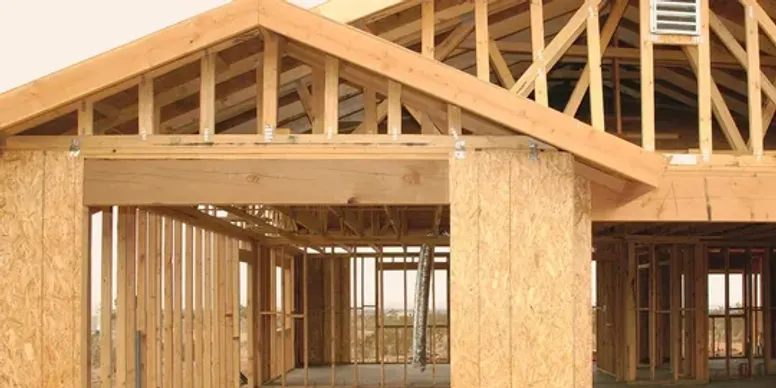
Often, the issue isn’t the door — it’s the structure above it.
The header can be the cause.
Signs Of Header Sag
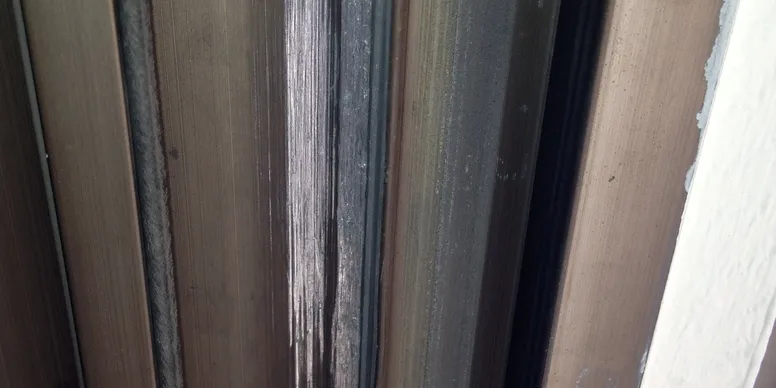
It's a Sign
One common sign is visible wear along the top edge of the rolling panel, where it has been rubbing metal-to-metal against the header above. When that contact continues, the door can start to bind more and more as it slides. If the problem is left untreated, the top of the rolling panel can eventually wear into the upper jamb, or the door may become so tightly pinched in the opening that it gets completely wedged and won’t move at all.
This type of issue is best handled by a sliding door repair specialist, because the real cause is structural pressure and alignment—not just a “sticky” door. Akamai Sliding Door Repair is very familiar with header-sag symptoms and the repairs needed to restore proper clearance, smooth operation, and long-term reliability.
If your sliding door feels heavier over time or you’re seeing rubbing at the top, contact Akamai Sliding Door Repair and let’s get your door sliding properly again in Kona and nearby West Hawaiʻi communities.
Sliding Door Cut Down
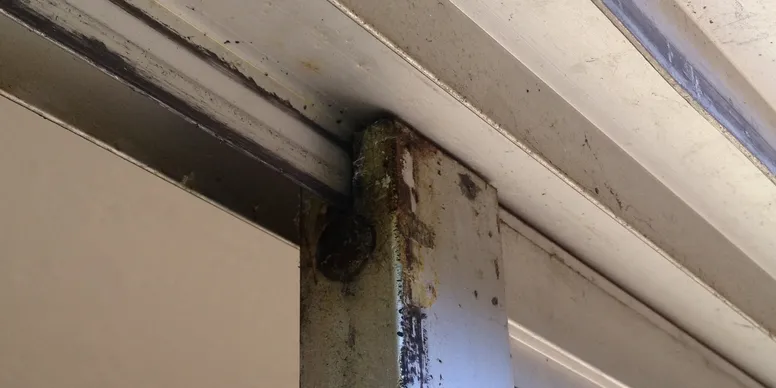
Does this door need a cut down?
In most cases, yes. In the photo, the top edge of the rolling panel is pressed tightly against the upper jamb of the outer frame, leaving virtually no clearance. That usually points to header sag, where the structure above the opening has settled downward over time and is now pinching the door panel.
When this happens, the rolling panel can’t be lifted high enough to come off the track, which means even a simple roller change becomes difficult—or impossible—because the panel is effectively wedged in place. To restore proper clearance and allow the door to operate as it should, the panel often needs a cut-down (shortened) so it can fit under the sagging header and move freely again.
Instead of forcing a door that’s binding, get it back to smooth, reliable operation—so it slides the way it’s supposed to.